
Guides - 05
Chartering basics
When a cargo needs a whole vessel, it is chartered. The charter party, the contract between shipowner and charterer, decides who pays for what and what happens when things run late.
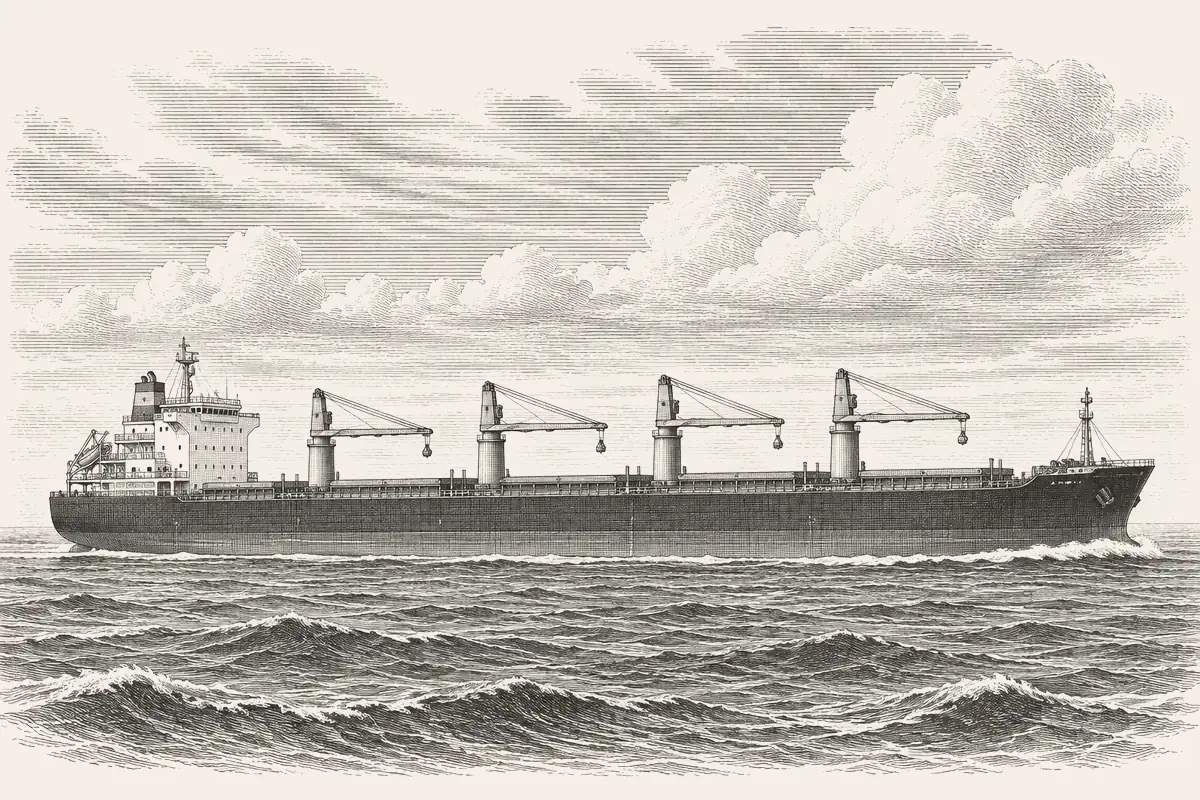
Three ways to charter
| Voyage charter | The owner carries one cargo between named ports for freight paid per tonne or as a lump sum. The owner runs the vessel and pays its costs. |
|---|---|
| Time charter | The charterer hires the vessel for a period and pays hire by the day, directs where it trades, and pays fuel and port costs. |
| Contract of affreightment | An agreement to carry a total quantity over a period in several liftings, without naming each vessel in advance. |
A bareboat charter, where the charterer takes over the vessel and crews it, is a fourth form, used for longer periods.
The terms that decide the cost
- Laycan - the window of dates in which the vessel must arrive to load. If it misses the window, the charterer may cancel.
- Notice of readiness - the master's notice that the vessel has arrived and is ready to load or discharge. Laytime usually starts to count from it.
- Laytime - the time allowed for loading and discharging, stated in days or as a rate per day.
- Demurrage - paid to the owner for each day the vessel is kept beyond laytime.
- Despatch - paid by the owner, where agreed, when loading or discharge finishes early.
- SHINC and SHEX - whether Sundays and holidays count as laytime (included) or not (excepted).
Standard forms
Most charter parties start from a standard form and change it with added clauses. GENCON, a BIMCO form, is widely used for voyage charters. NYPE is widely used for time charters. The added clauses are where the real terms sit, so they deserve the closest reading.
Where we come in
We look for suitable vessels for your cargo and ports, negotiate the terms, check the charter party, and coordinate the voyage through to the laytime and demurrage statement at the end.
Services that use this
- Voyage charterA vessel for one voyage, paid by the tonne or as a lump sum.
- Time charterA vessel for a period, paid by the day.
- Contract of affreightmentSeveral cargoes over a period, under one contract.
- Breakbulk and general cargoCargo loaded piece by piece, not in containers.
Send us the details.
Tell us the cargo, the route and the dates. We will reply by email with what we can arrange.